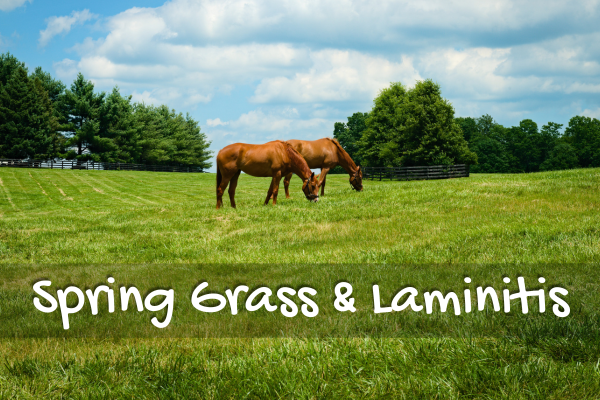
How to Prevent Laminitis During Spring Grass Season
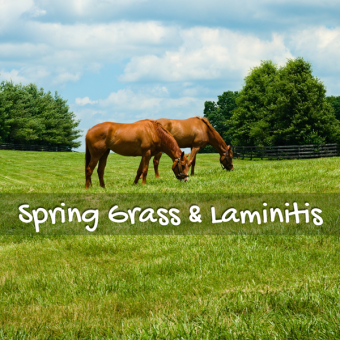
As temperatures rise and pastures turn lush and green, many horse owners look forward to spring turnout. But for some horses, spring grass can bring a serious health risk: laminitis. Rich spring pasture often contains elevated levels of sugars and fructans that can trigger inflammation inside the hoof, especially in horses that are overweight, insulin resistant, easy keepers, ponies, and horses with metabolic concerns.
Laminitis is painful, potentially life-changing, and best managed through prevention. Laminitis is a serious condition that occurs when the sensitive tissues (laminae) inside a horse’s hoof become inflamed and weakened, affecting the bond between the hoof wall and coffin bone. If not treated quickly, laminitis can lead to severe pain, lameness, and permanent hoof damage. The good news is that with the right turnout plan, nutrition support, and monitoring, many horses can safely enjoy spring while reducing risk.
Why Spring Grass Can Be Dangerous
Cool nights followed by sunny days often cause grasses to store more non-structural carbohydrates (NSC), including sugars. When horses consume too much rich pasture too quickly, it can overwhelm their metabolic system. Horses with Equine Metabolic Syndrome (EMS) or insulin dysregulation are especially vulnerable.
Higher-risk horses include:
- Overweight horses or ponies
- Horses with a cresty neck or fat pads
- Horses with previous laminitis history
- Easy keepers
- Horses diagnosed with EMS or PPID (Cushing’s)
7 Ways to Reduce Laminitis Risk This Spring
1. Limit Pasture Access Gradually
Don’t turn your horse out for hours on rich spring pasture right away. Start with short turnout sessions and slowly increase over time.
2. Use a Grazing Muzzle
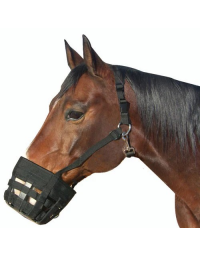
A properly fitted grazing muzzle can significantly reduce grass intake while still allowing turnout, movement, and socialization. For many horses, this is one of the most effective tools for spring management.
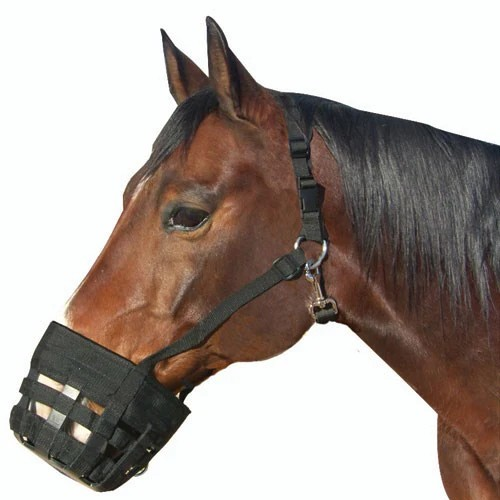
The Best Friend Deluxe Grazing Muzzle is a popular option because it combines intake control with comfort-focused design features and breakaway safety elements.
3. Support Healthy Insulin Response
Horses prone to laminitis or insulin resistance can struggle to regulate blood sugar, especially when grazing rich spring pasture. Supporting normal insulin function through diet, exercise, and targeted nutrition can help reduce metabolic stress and lower laminitis risk in easy keepers and horses that gain weight quickly.
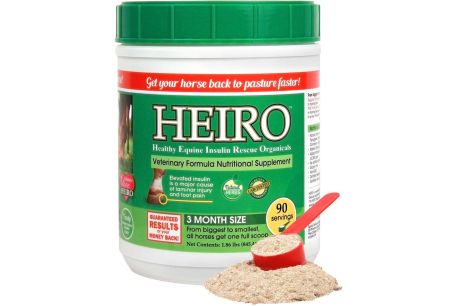
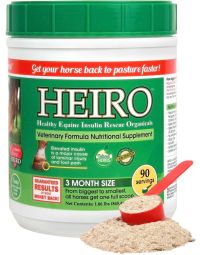
HEIRO is designed to support healthy insulin sensitivity and normal glucose metabolism in horses with metabolic concerns. When paired with controlled turnout and a balanced diet, it can help support overall metabolic health during high-risk spring grazing periods.
4. Provide Magnesium Support
Some horses with metabolic tendencies may benefit from magnesium as part of a balanced nutrition program. Magnesium plays an important role in normal nerve and muscle function, energy metabolism, and glucose regulation. It is often discussed for horses that are easy keepers or those showing signs of insulin dysregulation.
Chromium is another trace mineral commonly included in metabolic support supplements because it helps support normal insulin function and glucose metabolism. When paired together, magnesium and chromium can be useful tools in a complete management plan that includes controlled diet, exercise, and veterinary guidance.
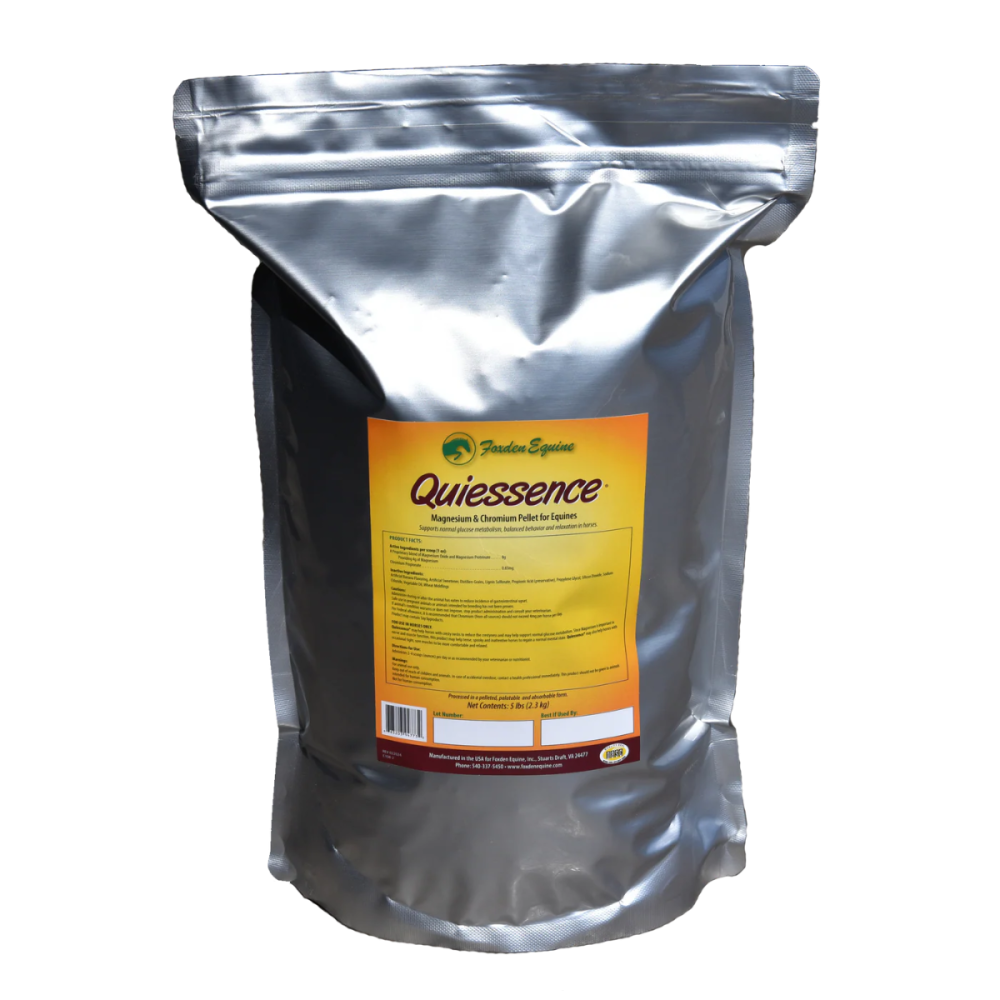
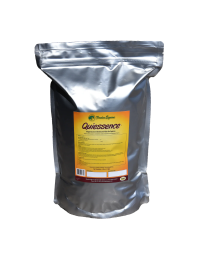
Quiessence is a popular supplement that combines magnesium and chromium to help support healthy metabolism, normal insulin response, and overall wellness in horses prone to weight gain or pasture sensitivity.
5. Encourage Hydration & Electrolyte Balance
Hydration is especially important for horses with metabolic issues, as dehydration and electrolyte imbalance can increase stress on the body during spring turnout and changing weather. Supporting proper fluid balance helps maintain normal circulation, muscle function, and metabolic stability in at-risk horses.

Electro-Aid by DAC provides key electrolytes including sodium, chloride, potassium, magnesium, and calcium to support hydration and muscle function. This sugar-free supplement helps maintain electrolyte balance in metabolic horses during heat, exercise, or increased turnout.
6. Keep Your Horse Moving
Exercise can improve insulin sensitivity and help maintain a healthy body condition. Even regular hand walking or light riding can make a difference if your horse is sound.
7. Watch for Early Warning Signs
Call your veterinarian if you notice:
- Short, choppy stride
- Reluctance to turn
- Shifting weight between feet
- Warm hooves
- Increased digital pulse
- Lying down more than normal
Best Spring Turnout Times
Many owners choose to limit grazing during high-risk periods. Grass sugar levels can fluctuate depending on weather, stress, sunlight, and growth stage, so consult your veterinarian or equine nutrition professional for your horse’s specific needs.
Final Thoughts
Spring grass doesn’t have to mean spring laminitis. With smart turnout management, weight control, and targeted nutritional support, many horses can enjoy the season safely. If your horse is an easy keeper or has a history of laminitis, being proactive now can prevent major problems later.